Oil spill preparedness is no longer a static requirement – it is an evolving discipline shaped by changing operational realities, environmental expectations, and regulatory pressures. As we move into 2026, organisations in the maritime, oil & gas, and industrial sectors face a more complex risk environment than ever before.
Global shipping volumes continue to rise, offshore activities are expanding into more sensitive ecosystems, and stakeholders – including regulators, insurers, and the public are demanding higher standards of accountability and response capability. Against this backdrop, having a contingency plan is no longer enough.
The real question is: how prepared is your organisation to respond effectively when an incident actually occurs?
Preparedness today must go beyond documentation. It must reflect real capability, coordination, and adaptability under pressure.
Modern operations are more interconnected than ever. Ports are busier, vessel traffic is denser, and offshore facilities often operate in challenging environments. This complexity increases the likelihood of incidents and complicates response efforts.
An oil spill in a high-traffic port, for example, may require coordination between multiple stakeholders – terminal operators, vessel crews, port authorities, and national agencies – all within a compressed timeframe.
Without clearly defined roles and tested coordination mechanisms, even a minor spill can escalate into a major incident.
Many operations now take place near ecologically sensitive zones such as coral reefs, mangroves, and coastal fisheries. The environmental and reputational consequences of a spill in such areas are significantly higher.
Response strategies must therefore be:
Organisations can no longer rely on generic response approaches. Preparedness must reflect site-specific risks and environmental priorities.
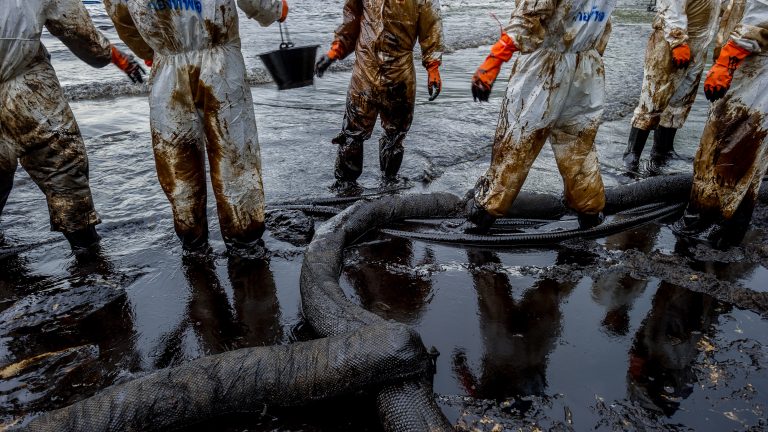
Regulators are increasingly focused not just on whether organisations have plans, but whether those plans are credible and demonstrably effective.
At the same time:
Failure to respond effectively can result in:
One of the most persistent risks is the disconnect between documented procedures and actual response capability.
Common issues include:
In many cases, organisations discover these gaps only during a real incident—when it is too late.
There is a clear industry shift away from “tick-the-box” compliance toward demonstrable operational readiness.
Organisations are increasingly asking:
This shift is driving greater emphasis on:
Oil spill response rarely involves a single organisation. Effective management often requires coordination across:
Preparedness now requires a system-wide perspective, not just internal readiness.
This means:
In real incidents, the biggest challenges are often not technical—they are decision-related.
Key questions arise quickly:
Delays or poor decisions can significantly worsen outcomes.
As a result, organisations are placing more emphasis on:
Technology continues to play an important role in oil spill response, including:
However, there is growing recognition that technology alone is not a solution.
Without trained personnel and clear processes, even the most advanced tools can fail to deliver value. Preparedness must therefore balance technological capability with human competence.
Effective contingency plans must reflect actual operating conditions.
This includes:
A useful test is simple: Does this plan reflect what would actually happen on the ground?
If not, it requires revision.
Training should go beyond theory. Personnel must be exposed to realistic scenarios that challenge their ability to:
Scenario-based training helps individuals understand their roles and builds confidence in executing them.
It also reveals gaps that may not be visible in written plans.
Clear communication is critical during an incident.
Organisations should ensure:
This includes establishing relationships before an incident occurs. Familiarity between organisations can significantly improve response effectiveness.
Clear communication is critical during an incident.
Organisations should ensure:
This includes establishing relationships before an incident occurs. Familiarity between organisations can significantly improve response effectiveness.
Preparedness is not a one-time effort—it is an ongoing process.
Organisations should foster a culture where:
Leadership plays a key role in setting expectations and ensuring that preparedness remains a priority.
Organisations can use the following questions as a quick self-assessment:
If the answer to any of these is “no” or “not sure,” there is an opportunity to strengthen preparedness.
Oil spill preparedness in 2026 requires more than compliance—it demands capability, coordination, and continuous improvement.
The risks are evolving, and so must the response strategies. Organisations that invest in realistic planning, effective training, and meaningful exercises will be far better positioned to manage incidents when they occur.
Ultimately, preparedness is about readiness in the moments that matter most. When an incident happens, there is no time to interpret plans or clarify roles. The response must be immediate, coordinated, and effective.
Organisations should therefore take a proactive approach—regularly reviewing, testing, and improving their preparedness frameworks to ensure they are ready not just in theory, but in practice.
We help organisations strengthen their emergency preparedness through tailored contingency plans, realistic exercises and practical response solutions — helping teams know what to do, when to act and how to respond effectively when it matters most.