Oil Spill Preparedness in 2026: Key Risks, Trends, and Best Practices Rahman Kamin IMO Trained Oil Spill Response Trainer Introduction: A Changing Risk Landscape Oil spill preparedness is no longer a static requirement – it is an evolving discipline shaped by changing operational realities, environmental expectations, and regulatory pressures. As we move into 2026, organisations in the maritime, oil & gas, and industrial sectors face a more complex risk environment than ever before. Global shipping volumes continue to rise, offshore activities are expanding into more sensitive ecosystems, and stakeholders – including regulators, insurers, and the public are demanding higher standards of accountability and response capability. Against this backdrop, having a contingency plan is no longer enough. The real question is: how prepared is your organisation to respond effectively when an incident actually occurs? Preparedness today must go beyond documentation. It must reflect real capability, coordination, and adaptability under pressure. Key Risks Organisations Face Today 1. Increased Operational Complexity Modern operations are more interconnected than ever. Ports are busier, vessel traffic is denser, and offshore facilities often operate in challenging environments. This complexity increases the likelihood of incidents and complicates response efforts. An oil spill in a high-traffic port, for example, may require coordination between multiple stakeholders – terminal operators, vessel crews, port authorities, and national agencies – all within a compressed timeframe. Without clearly defined roles and tested coordination mechanisms, even a minor spill can escalate into a major incident. 2. Environmentally Sensitive Operating Areas Many operations now take place near ecologically sensitive zones such as coral reefs, mangroves, and coastal fisheries. The environmental and reputational consequences of a spill in such areas are significantly higher. Response strategies must therefore be: Faster More precise Environmentally informed Organisations can no longer rely on generic response approaches. Preparedness must reflect site-specific risks and environmental priorities. 3. Regulatory and Stakeholder Pressure Regulators are increasingly focused not just on whether organisations have plans, but whether those plans are credible and demonstrably effective. At the same time: Insurers are scrutinising risk management practices more closely Clients expect higher safety standards Public tolerance for environmental incidents is lower than ever Failure to respond effectively can result in: Financial penalties Operational shutdowns Long-term reputational damage 4. The Gap Between Plans and Reality One of the most persistent risks is the disconnect between documented procedures and actual response capability. Common issues include: Outdated contact lists Unrealistic response timelines Lack of familiarity among response personnel Poor integration with external stakeholders In many cases, organisations discover these gaps only during a real incident—when it is too late. Emerging Trends in Oil Spill Preparedness 1. Shift from Compliance to Capability There is a clear industry shift away from “tick-the-box” compliance toward demonstrable operational readiness. Organisations are increasingly asking: Can our team execute the plan under pressure? Are our assumptions realistic? Have we tested our response in conditions that reflect reality? This shift is driving greater emphasis on: Scenario-based exercises Realistic simulations Continuous improvement processes 2. Integration of Multi-Agency Response Oil spill response rarely involves a single organisation. Effective management often requires coordination across: Government agencies Port authorities Emergency services Contractors and equipment providers Preparedness now requires a system-wide perspective, not just internal readiness. This means: Aligning procedures across stakeholders Establishing clear communication protocols Conducting joint exercises 3. Greater Focus on Decision-Making In real incidents, the biggest challenges are often not technical—they are decision-related. Key questions arise quickly: Should operations be shut down? What response strategy should be deployed? How should resources be prioritised? Delays or poor decisions can significantly worsen outcomes. As a result, organisations are placing more emphasis on: Incident management frameworks Leadership training Decision-making under pressure 4. Data and Technology – With Practical Limits Technology continues to play an important role in oil spill response, including: Monitoring systems Modelling tools Communication platforms However, there is growing recognition that technology alone is not a solution. Without trained personnel and clear processes, even the most advanced tools can fail to deliver value. Preparedness must therefore balance technological capability with human competence. Best Practices for Oil Spill Preparedness in 2026 1. Develop Realistic, Site-Specific Plans Effective contingency plans must reflect actual operating conditions. This includes: Accurate risk assessments Realistic response timelines Clear resource availability Site-specific environmental considerations A useful test is simple: Does this plan reflect what would actually happen on the ground? If not, it requires revision. 2. Invest in Scenario-Based Training Training should go beyond theory. Personnel must be exposed to realistic scenarios that challenge their ability to: Make decisions Communicate effectively Work as a team Scenario-based training helps individuals understand their roles and builds confidence in executing them. It also reveals gaps that may not be visible in written plans. 3. Conduct Regular and Meaningful Exercises Clear communication is critical during an incident. Organisations should ensure: Defined communication structures Redundant communication channels Alignment with external stakeholders This includes establishing relationships before an incident occurs. Familiarity between organisations can significantly improve response effectiveness. 4. Strengthen Coordination and Communication Clear communication is critical during an incident. Organisations should ensure: Defined communication structures Redundant communication channels Alignment with external stakeholders This includes establishing relationships before an incident occurs. Familiarity between organisations can significantly improve response effectiveness. 5. Build a Culture of Preparedness Preparedness is not a one-time effort—it is an ongoing process. Organisations should foster a culture where: Preparedness is regularly reviewed Lessons learned are implemented Personnel are encouraged to engage actively in training and exercises Leadership plays a key role in setting expectations and ensuring that preparedness remains a priority. Practical Takeaways: A Quick Preparedness Checklist Organisations can use the following questions as a quick self-assessment: Are our contingency plans up to date and site-specific? Have we tested our plans under realistic conditions? Do our personnel clearly understand their roles? Have we conducted exercises involving external stakeholders? Do we have a structured process for continuous improvement? If the answer to any of these is “no” or “not sure,” there is an opportunity to strengthen preparedness. Conclusion: Staying Ahead of Risk
Tactical Realism from the Frontlines of Oil Spill Response
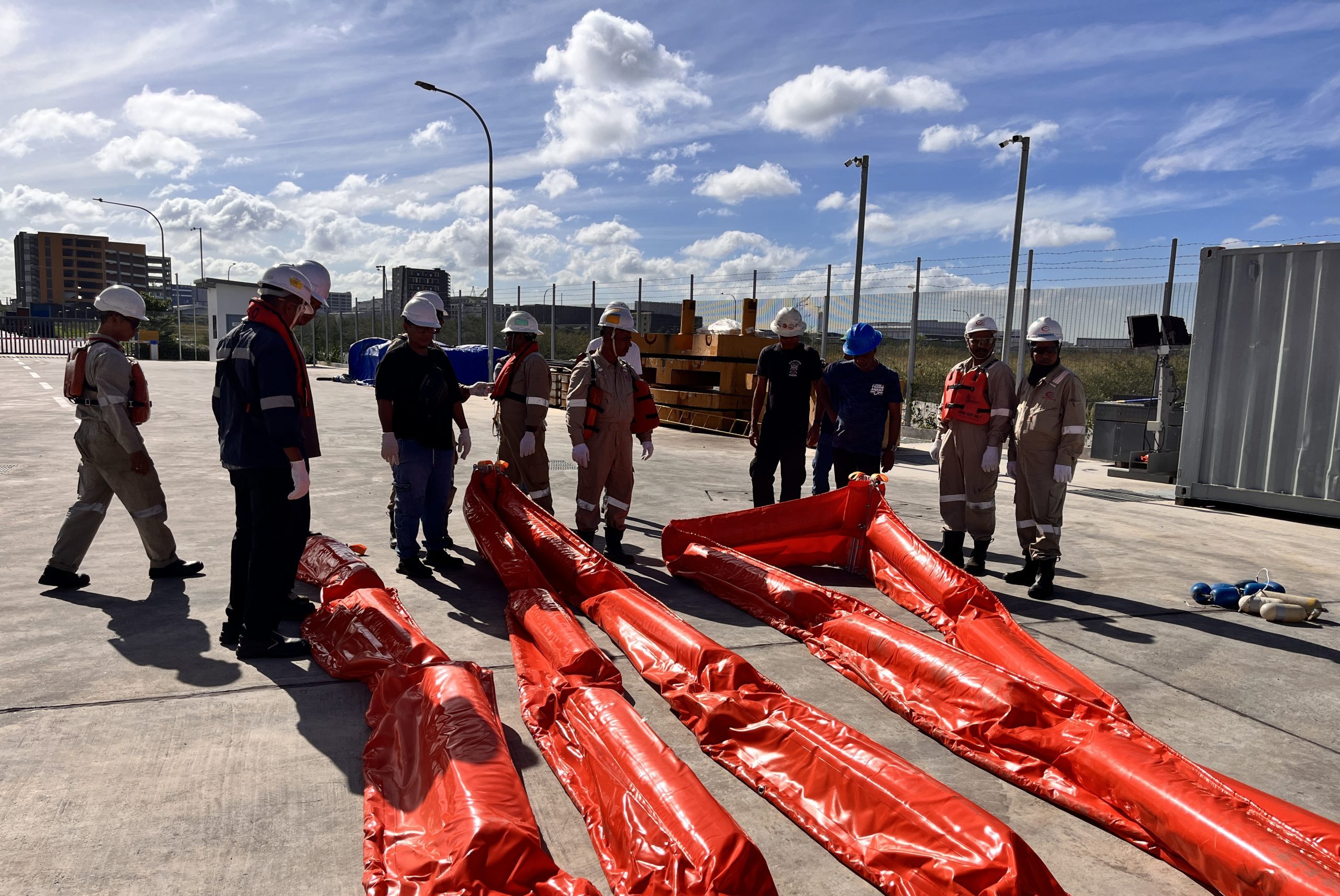
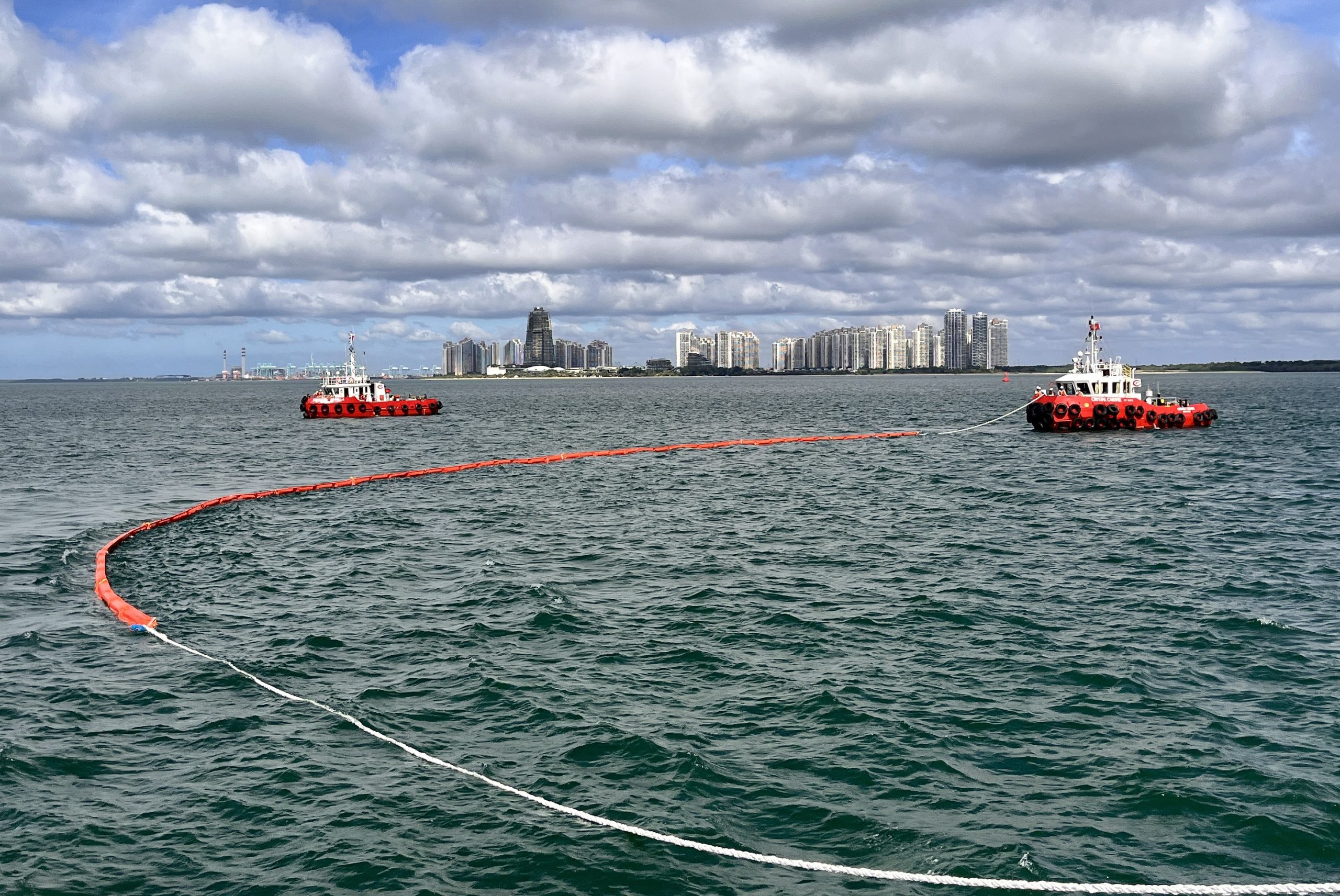
IMO Level 1 Oil Spill Response Course From 9 to 12 Feb 2026, PIER Consultancy Pte Ltd delivered a specialized IMO Model Course Level 1 Oil Spill Response program for Crystal Offshore Pte Ltd (COS). Built upon the International Maritime Organization’s 2019 revised guidelines, this four-day intensive wasn’t just a classroom exercise; it was a deep dive into the evolving science of emergency readiness. Rahman Kamin IMO Trained Oil Spill Response Trainer Beyond the Boom: Tactical Realism from the Frontlines of Oil Spill Response The alarm on the bridge isn’t just a sound; it’s the heartbeat of a looming crisis. When oil hits the water, the transition from routine operations to a high-stakes emergency happens in a heartbeat. In the chaos of an initial breach, luck is a failing strategy. The outcome is dictated solely by the depth of a team’s preparation and their ability to execute under pressure. In today’s maritime landscape, “preparedness” has moved beyond regulatory box-ticking—it is the ultimate benchmark of responsible, resilient operations. The following five insights, forged on the frontlines of this training, highlight why modern response requires a sophisticated synthesis of technical mastery, logistical foresight, and strategic discipline. 1. The “Personality” of the Breach: Why Physics Dictates Strategy The first rule of the frontline is that oil is never static. As explored in Module 1 of the course, oil is a dynamic substance that undergoes complex physical and chemical “weathering” the moment it enters the marine environment. Responders aren’t fighting a liquid; they are fighting an evolving event that spreads, emulsifies, and interacts with wind, waves, and currents. Understanding this “personality”—the fate and behavior of the spill—is the non-negotiable first step in selecting the right equipment. However, technical strategy is worthless if the responders themselves are compromised. Health and Safety (H&S) formed the central nervous system of this module. A response is an objective failure if a responder is injured. By utilizing specific risk assessment techniques and hazard identification for hydrocarbons and chemical exposure, the training grounded every operational decision in the reality of personnel safety. “There is a deep interconnectedness between operational decisions and environmental outcomes.” The “fate” of the oil dictates whether a boom will hold or whether a skimmer will be rendered useless by changing viscosity. If you don’t understand the physics, you can’t manage the risk. 2. Operational Realism: Trimming the Fat for Professional Mariners Efficiency in a crisis demands a rejection of “one-size-fits-all” training. For the COS delivery, the standard IMO Level 1 curriculum was aggressively contextualized to match the participants’ actual operational profile. Since the attendees were professional mariners primarily deployed for at-sea response, the program streamlined shoreline assessment modules to make room for enhanced at-sea equipment deployment and offshore maneuvers. This shift toward “Operational Realism” ensured that mariners mastered the specific tools and sea-states they will actually face. By incorporating elements from IMO Levels 2 and 3—such as media relations and compensation frameworks—the course moved beyond basic task-handling. It equipped responders to understand the broader strategic mission, ensuring every tactical action at sea aligns with the organization’s high-level objectives. 3. The Dispersant Dilemma: Navigating the Net Environmental Benefit The use of chemical dispersants is rarely a simple “yes/no” decision; it is a calculation of trade-offs. Module 2 emphasized that dispersants are a strategic tool whose effectiveness is tethered to oil type, sea state, and environmental sensitivity. In the strategist’s view, this is the application of Net Environmental Benefit Analysis (NEBA). Using dispersants often means making the difficult choice to move the problem from the surface—where it threatens birds and coastlines—into the water column, where it may impact fish and reefs. There are no perfect solutions in an oil spill, only “least-worst” options. Success lies in the ability of the response team to evaluate these trade-offs in real-time, matching the intervention to the logistical realities of the sea. 4. The Logistics of the “After-Spill”: Managing the Secondary Crisis A response operation is only as good as its waste management plan. Recovering oil from the ocean is only half the battle; the other half is ensuring that recovered waste doesn’t become a “secondary spill”. Module 3 of the course addressed the massive logistical challenge of segregation, temporary storage, and transportation of contaminated materials. From a strategic standpoint, waste segregation is a financial imperative as much as an environmental one. In the maritime world, mixing oily waste with general debris can triple or quadruple disposal costs and complicate the entire chain of custody. A response hasn’t truly succeeded until the waste is safely disposed of and the equipment is demobilized, cleaned, and documented. Logistics is the spine that supports the entire tactical operation. 5. Documentation as the Currency of Recovery: Communication and Liability In an era of instant media and global scrutiny, tactical responders must understand that their clipboards are as important as their booms. By incorporating lessons on the International Compensation Regime, the COS program highlighted a critical truth: documentation is the currency of recovery. Responders who fail to track costs, document operational sequences, and maintain accurate logs jeopardize the organization’s ability to claim compensation under the global liability framework. Furthermore, as responders are often the first point of contact for external observers, understanding message discipline is a frontline necessity. “In today’s environment of rapid information flow and media scrutiny, clear, accurate and coordinated communication is essential.” Organizational credibility is just as vulnerable as the environment during an incident. Protecting that credibility requires responders who understand that their actions are part of a larger legal and public narrative. The Future of Maritime Resilience The successful completion of the IMO Level 1 program by COS on 12 February 2026 marks more than just a training milestone; it represents a commitment to a higher standard of maritime excellence. PIER Consultancy remains dedicated to ensuring that when the crisis comes, the response is grounded in standards-based instruction and real-world application. “As maritime activities continue to expand and environmental expectations grow, preparedness remains a critical pillar of responsible operations.” The complexity of